
Kids Being Raised By Millennial Parents Aren't Learning 11 Basic Life Skills
 Prostock-studio | Shutterstock
Millennials came of age in a transitional time, straddling a line between the analog and digital world. Their parents were fairly protective, and emphasized academic achievement and striving for economic success. In fact, in a 2024 poll of millennial parents, 88% admitted that their parenting style was different from how their parents raised them, with 73% saying they're doing a much better job than their own parents.
Unfortunately, now that they have children of their own, the kids being raised by millennial parents aren't learning certain basic life skills that are affecting them as they grow up. Every generation faces its own set of child-rearing challenges and parenting decisions , and millennials are no different. Some millennial parents have chosen to mirror the techniques their own parents used, while others have decided to go in the opposite direction where even the most fundamental lessons are absent.
Kids being raised by millennial parents aren't learning 11 basic life skills
1. Self-sufficiency
 Inna photographer | Shutterstock
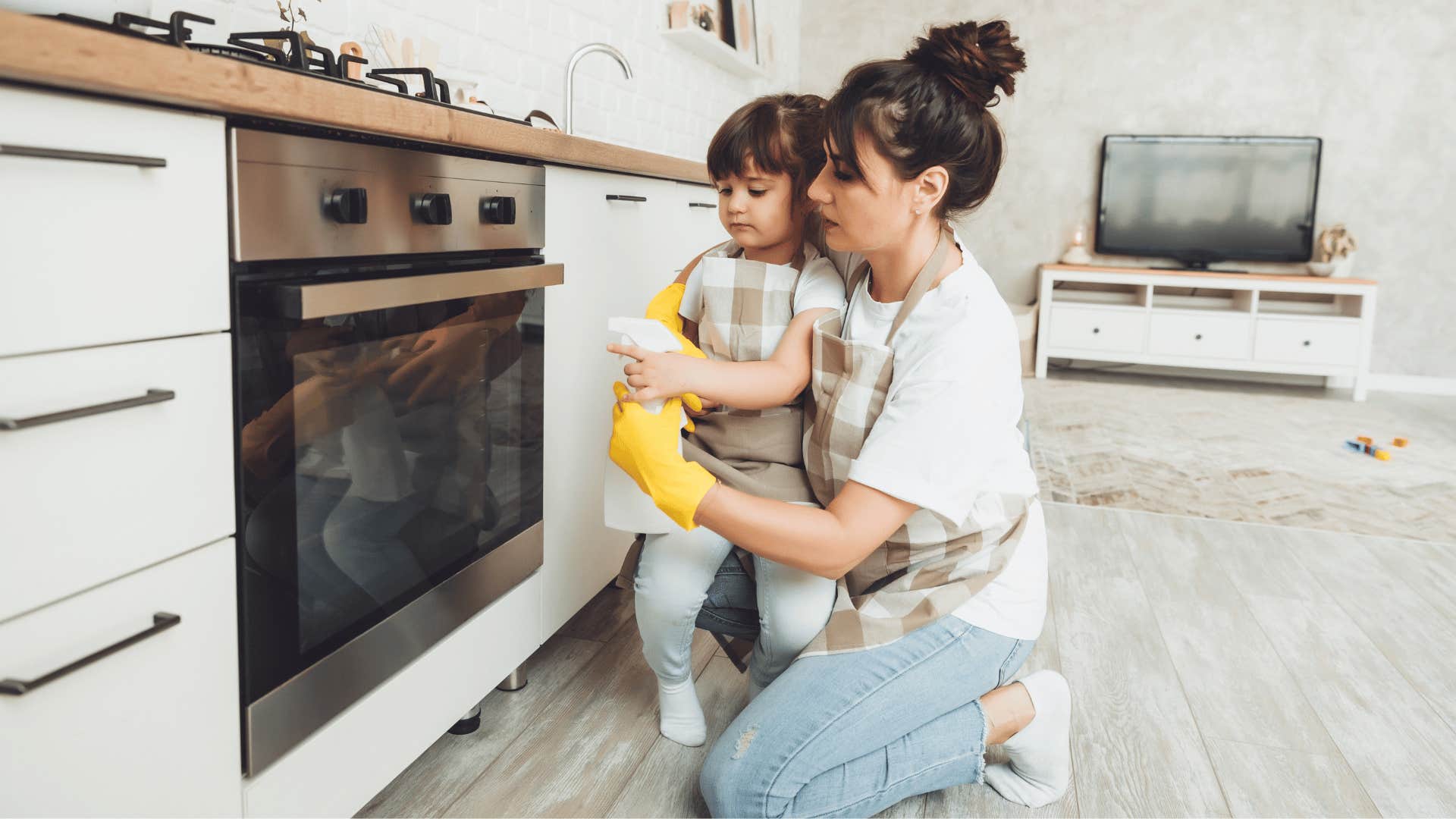
Millennials have a tendency to be helicopter parents, meaning they're over-attentive in a way that can be detrimental to their kids' development. Unfortunately, as a study from Frontiers in Psychology pointed out, helicopter parents believe their child is "lacking in self-care competence and thus needs to be overly protected." Researchers maintained that overprotective parenting sends a message that kids are "incapable of overcoming their own struggles and in need of constant protection from the dangers of the world."
While parents should meet their kids' emotional and practical needs, it's equally as important for kids to learn to do certain tasks on their own. Because kids raised by millennial parents aren't learning basic life skills like self-sufficiency, they're becoming dependent on them in a way that hinders their ability to meet their own needs later in life.
2. Accepting failure as part of success
 fizkes | Shutterstock
Millennials were raised in the era of the participation trophy, meaning they were celebrated just for showing up and trying their best. While that mentality had some positive attributes, it also taught millennials to be scared of failure, which is a lesson they taught their own children.
The truth is that failing isn't something to avoid, but something to embrace. Even though it's scary to consider failing, millennials aren't teaching their kids the most basic yet valuable lessons that accompany making mistakes. Failure is an essential part of finding success.
As life coach Patricia Magerkurth revealed, "Life's crucial lessons are hidden in failure." Magerkurth shared that part of failing is reflecting on what went wrong, which allows people to gain knowledge they didn't have before. They incorporate that deep level of self-awareness into their future plans, which helps them learn from what they've done wrong in the past.
3. How to handle discomfort
 SeventyFour | Shutterstock
When millennial parents neglect to teach their kids how to sit in discomfort and accept it as a normal part of life, they're just setting them up to fail. And Discomfort is something millennials try to avoid at all costs, instead of recognizing how it can help their kids learn and grow.
As overly attentive parents, millennials often pave the path forward for their kids by trying to ensure they won't experience any hardship. As a result, their kids don't learn the important skill set they need when they face hard things later in life. Experiencing discomfort is part of life, yet kids need to learn how to manage it, instead of trying to pretend it doesn't exist.
4. Appreciation for what they have
 cottonbro studio | Pexels
Teaching their kids to appreciate what they have is a meaningful lesson, but it's one that millennial parents aren't teaching their children. Rather than always asking for more, fostering gratitude is a lesson that truly keeps on giving, but these parents don't show their kids how to express that gratitude.
Expressing gratitude can have major psychological benefits. In fact, having a grateful mindset and expressing gratitude on a daily basis can help bolster people's self-esteem and their mental health, while having lasting positive effects on how people's brains operate. Instead of giving into the pressures of materialism and always seeking out what they don't have, millennials should aim to show their kids the power of being grateful.
5. Entertaining themselves without technology
 MAYA LAB | Shutterstock
Millennials were raised on the cusp of the internet's existence. They experienced childhood both with and without the internet and more advanced technology, yet their own kids are digital natives, meaning they've always known a life with constant access to technology.
According to a study published in Cureus, too much screen time has negative effects on kids' emotional and psychological development. An additional study from JAMA Pediatrics determined that, starting at age one, kids who have up to four hours of screen time per day have a higher risk of developmental delays in communication, fine motor, problem-solving, and personal and social skills by age two.
Instead of millennial parents leaving their kids to make their own fun and use their imagination, they plug their children into screens at any sign of boredom or distress. As a result, their kids don't develop the internal mechanisms they need to keep themselves entertained without the use of technology.
6. The value of persevering
 Liderina | Shutterstock
Parents who let their kids off the hook instead of teaching them to push through tough times deny them the opportunity to learn the depths of their inner strength. Unfortunately, many millennial parents are guilty of this. As a study from Current Opinion in Psychiatry concluded, "higher levels of resilience are related to fewer mental health problems."
Kids need to learn that not everything in life comes easily. In fact, most good things take concerted effort to achieve. By saving their kids from their possible failures, millennial parents essentially teach them to give up.
Trying tasks over and over is what leads kids to master their own abilities, which is a lesson they miss out on if their parents don't model the importance of sticking with hard things. Kids build confidence not only through winning, but through making mistakes and learning just how resilient they can be.
7. How to overcome challenges
 PeopleImages | Shutterstock
Along with perseverance, kids need to learn how to overcome the challenges they'll inevitably face as they grow older. But millennial parents aren't teaching them how to bounce back from failure, negatively affecting their sense of self-worth.
Licensed clinical social worker Cheryl Gerson explained that "too many kids and their parents look at success as a magical thing some people are either meant for, or they're not." She noted that parents impede their children's growth by "letting them bail out of anything that pushes their comfort zone."
"Our kids need us to teach them the value of staying with something difficult," she concluded. By learning that challenges are an inherent part of life, kids learn how to face setbacks with the attitude that they can overcome them, rather than just give in.
8. Independence
 Dima Berlin | Shutterstock
It isn't easy for parents to let their kids spread their wings and leave the nest, but fostering their independence is a crucial part of teaching kids just how much they can really achieve. Unfortunately, in their effort to make life easy for their kids, millennial parents often do too much for them, rather than teaching them how to believe in themselves and their skills.
According to a study from the Journal of Family Psychology, the effects of parents overstepping can have consequences. In the study, when parents of kindergarten-aged children stepped in to correct or make suggestions to their kids playing, the children had more trouble regulating their emotions and behavior at other times. Additionally, the children "performed worse on tasks that measured delayed gratification and other executive functions, skills associated with impulse control and the ability to shift between competing demands for their attention."
With each milestone in their kids' lives, parents have to learn to let go, even just a little bit. Young kids need to know that they can trust their own instincts, and teens need to learn that they can make decisions for their own futures. But when millennial parents step in and make choices for their kids without hearing what their kids want for themselves, they stand in their way.
9. Delayed gratification
 MAYA LAB | Shutterstock
A big part of being constantly connected to technology is the growing dependency on receiving instant gratification. Unfortunately for millennial parents who don't teach their kids to accept delayed gratification as a normal part of life, they're doing them a disservice.
A study from Applied Developmental Science found that children who develop delayed gratification perform better in school, can face challenges, and are better able to regulate their emotions. When parents instill this skill in their kids, it helps them learn patience and manage their expectations. It shows them that not everything in life is automatically given to them, just because they want it right now.
10. Taking healthy risks
 BOONDARIN | Shutterstock
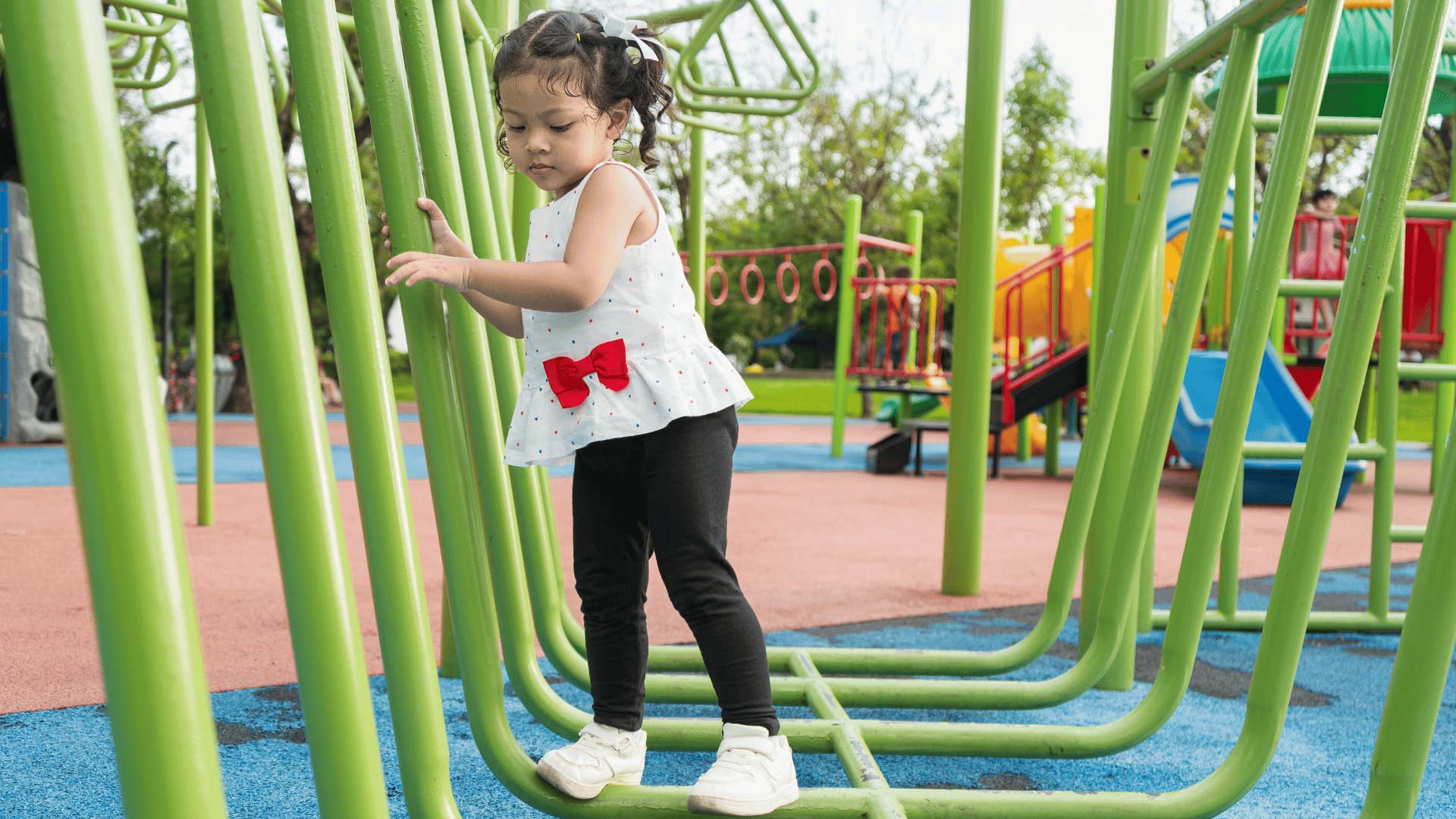
A parent's role in their children's lives is to act as a guide and protect them from harm. But many millennial parents hold so much fear that their kids will get hurt that they don't let them take risks and face challenges head-on. It's likely because they're overprotective in their own ways, but it's preventing their kids from stepping out of their comfort zones and doing things that scare them, which is a major part of growing up and becoming an adult.
A study from the International Journal of Environmental Research and Public Health determined that "societal trends limiting children's access to outdoor risky play opportunities combined with a culturally dominant excessive focus on safety can pose a threat to healthy child development." Not all risks are created equally, which means that some risks are undeniably dangerous, while others can help kids grow and learn how capable they really are.
11. Financial literacy
 David Gyung | Shutterstock
Millennials were raised by baby boomers, who were raised by a generation that experienced financial hardships, passing that mindset to scrimp and save down to their kids. And while millennials may have a grip on responsible spending and saving, it's a basic skill they aren't then passing down to their kids. In fact, millennial parents may feel stressed when talking about money, and their kids may understand the idea of spending and saving.
However, their kids lack exposure to concepts like budgeting or distinguishing between needs and wants. The factor of digital money in everyday life can make kids believe that money is expendable, without understanding the value of it. By millennials not teaching financial literacy to their kids, they're leaving them unprepared to handle financial situations in the world.
Alexandra Blogier, MFA, is a writer who covers psychology, social issues, relationships, self-help topics, and human interest stories.

