
If You’re More Successful Than Your Entire Family, You Probably Have To Deal With 11 Specific Things
 Benevolente82 / Shutterstock
There are many nuanced sources of tension in family dynamics that many adult children experience, regardless of their financial situation or success, according to therapist Dr. Rachel Glik. However, when one child becomes more successful and has a far different, more comfortable lifestyle than their parents or siblings back home, it can sometimes lead to disconnection.
From feeling like personal struggles are overlooked to not having a feeling of belonging around family anymore, if you’re more successful than your entire family, you probably have to deal with specific things that can be isolating, even in a family that’s stable and supportive. With time, understanding, and honesty, these experiences don’t have to last forever.
If you’re more successful than your entire family, you probably have to deal with 11 specific things
1. Having your struggles invalidated
 shurkin_son | Shutterstock.com
Of course, feeling invalidated by parents as a child tends to spark deep insecurities and struggles with identity later in life, according to behavioral expert Annie Tanasugarn. However, not having support or safe spaces to express concerns and struggles as an adult can be equally isolating and destabilizing. For people who are more successful than their families, this is a regular battle.
Whether it’s feeling like they can’t complain about anything because they make a lot of money and have a great job, or having their problems compared to those of their parents and siblings, being emotionally invalidated at home can make them feel isolated and lost.
They’re lacking the support they need to feel they belong, and when that’s gone, it only amplifies the already-present natural disconnect they face from their families daily.
2. Being expected to support family members financially
 Miljan Zivkovic | Shutterstock.com
While financial support later in life is typically discussed from the parental perspective, adult children who thrive as the only successful person in their family may feel obligated to support their parents and siblings without being asked. Especially if they harbor a lot of guilt in their lifestyle, watching their families struggle, there’s a sense of feeling expected to help.
If they say no or continue watching from the sidelines, there can be emotional turmoil and disconnection in the dynamic. While it might feel all on the shoulders of the more financially and professionally stable adult child, there are boundaries and limits they’re entitled to respect.
3. Outgrowing people and places
 MAYA LAB | Shutterstock.com
Humans have an innate longing for belonging in their lives, and for many adult kids, it comes from their family and a feeling of home. However, when you become the most successful person, even if you’re living in the same town or city, it can start to feel like you don’t relate to anyone anymore.
Nobody seems to understand your life or you anymore, so there’s a natural kind of disconnection that comes from outgrowing these people and places you used to feel so seen around.
4. Being the ‘example’ for younger siblings
 PLotulitStocker | Shutterstock.com
Feeling connected to and having strong relationships with siblings is especially important later in adulthood, especially for women and sisters. However, parental favoritism and comparison can quickly sabotage those bonds and create a disconnection that’s hard to come back from once everyone is out of the house.
Whether it’s comparing you, as a successful adult, to other siblings or setting an unrealistic expectation for everyone to follow in your footsteps, if you’re dealing with these things, there’s a chance that resentment has already started to remove you from the healthy sibling relationships you used to cherish.
5. Experiencing and holding resentment
 Fizkes | Shutterstock.com
Whether it’s not feeling understood by parents or feeling emotionally deprived and unsupported in the face of constant dismissal, if you’re experiencing turmoil as the most successful one in your family, navigating and feeling resentment may feel like your new normal.
Our families and sibling relationships should feel supportive, like a safe space from the stressors of the world, but when they become another thing you have to manage, cope with, and heal from, they can bring more chronic stress and disconnection than they’re worth.
6. Feeling guilty for celebrating milestones
 Gladskikh Tatiana | Shutterstock.com
Family is often instrumental to a person’s success later in life, but if there’s tension, jealousy, and resentment once you actually reach those goals and milestones, it can shake the stability of the family dynamic.
From being accused of bragging when you’re talking about your life or managing sibling jealousy when you achieve something, there’s often guilt that successful adult children have to manage when they should have space to celebrate themselves.
Especially if they’re forced to withhold information and downplay their own success for the comfort of those around them, family gatherings and time together can feel draining rather than uplifting or empowering.
7. Feeling unexpectedly lonely
 F01 Photo | Shutterstock.com
According to psychotherapist Annie Wright, when an adult child starts to become successful, and their families perceive them to be moving away from a certain foundation or identity, it can trigger disconnection and resentment, sometimes entirely unknowingly. So, it’s not surprising that for many people, success feels like an exile that prompts misunderstandings and loneliness.
Especially for women, many of the traits and behaviors that make them successful in the workplace or professional settings can also feel threatening to family systems and dynamics. So, while it may be possible to maintain healthy family bonds while still chasing success, many people end up feeling lonely and isolated with an entirely different lifestyle.
8. Struggling with perfectionism
 Pics Five | Shutterstock.com
If your only value or validation ever came from producing and performing as a kid, you may have built a “performance trap” that’s followed you into adulthood. Cultivated by perfectionist standards and a misguided sense of self-worth that’s attached to work, success, or productivity, this trap can encourage you to seek validation and praise from parents who are no longer on the same page.
Even if they wanted you to be successful, the reality of the situation as adults can lead to jealousy, especially if you’re keeping strict boundaries with financial support and trying to manage the insecurities of your parents. Your success may feel interwoven with your self-worth, creating a cycle of burnout, overwork, and perfectionism that isolates you from support.
Even if your parents still support you fully, coming from a background where you didn’t have much can create a lot of internal tension, pushing you to constantly chase something new or do more.
9. Struggling with a fear of failure
 evrymmnt | Shutterstock.com
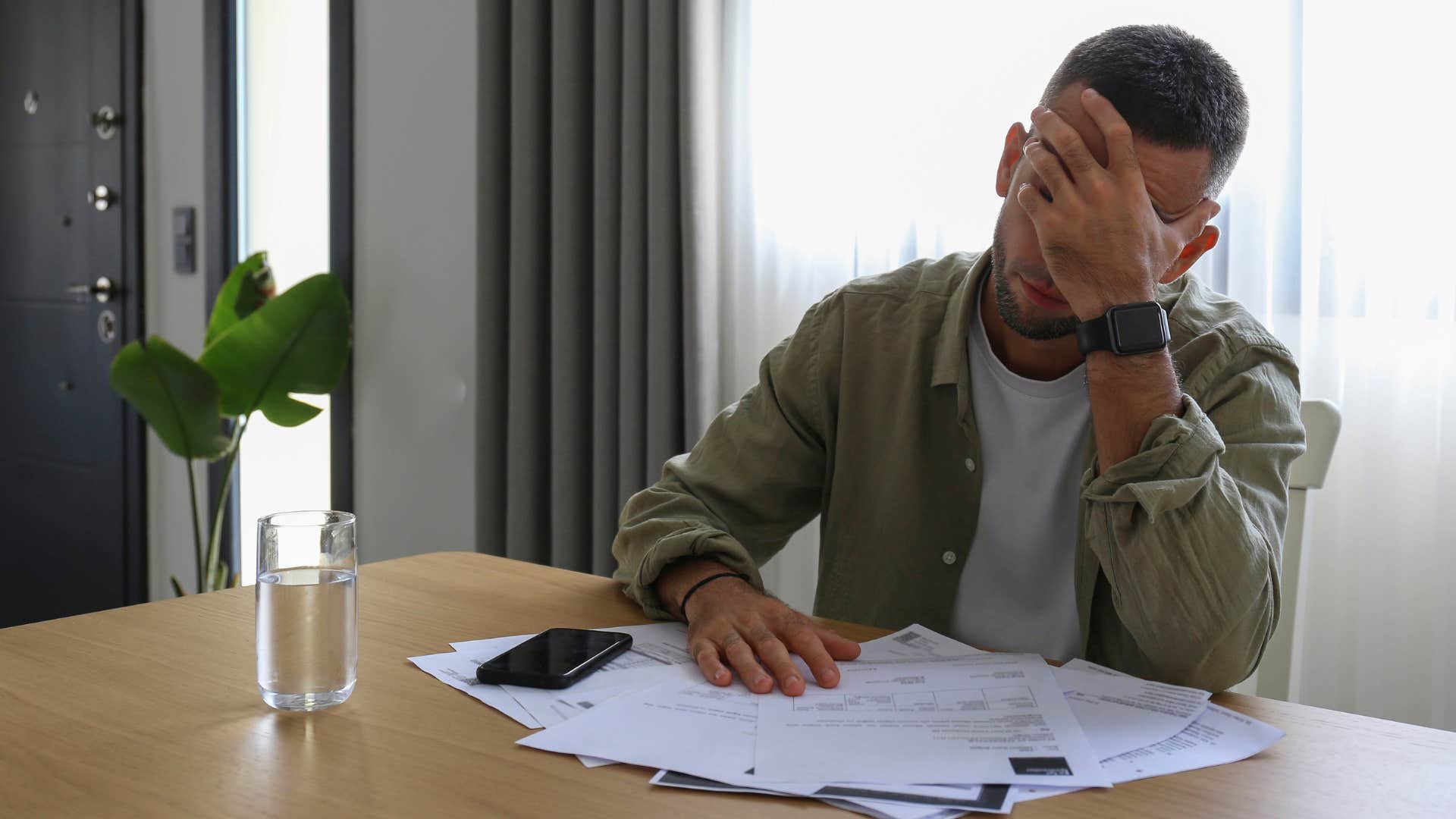
Even though research suggests that experiencing failure can ultimately lead to more success and growth, many people who cling to the security and resources their current success provides have a debilitating fear of failure. Especially if there are expectations from family or obligations to support loved ones, struggling with a fear of failure can feel bigger than yourself.
Success no longer feels like something to strive toward, but something to cling to with a fear-based mindset.
10. Needing to explain yourself constantly
 Fizkes | Shutterstock.com
Without a shared sense of understanding or the same circumstances under the same roof anymore, people who are the most successful in their families often feel a burden to over-explain their decisions and lifestyles to parents and siblings.
There’s a clear gap between their reality and their family’s perception of their lives, which creates an obligation to manage misunderstandings and defend themselves, often at their own emotional expense.
11. Dealing with quiet judgment and jealousy
 Chay_Tee | Shutterstock.com
Whether it’s dealing with intrusive, unsolicited advice or being consistently pushed toward more unrealistic standards, dealing with quiet judgment and jealousy from families can isolate successful adult kids. Especially if there’s a sense of hostility and dismissiveness from jealous parents, adult children can feel unnecessary guilt when talking about themselves or celebrating their success.
However, these moments of feeling seen, appreciated, and celebrated by our families in adulthood are a huge part of what cultivates belonging, and if you’re not able to experience these moments, you’re going to struggle with loneliness and isolation.
Zayda Slabbekoorn is a senior editorial strategist with a bachelor’s degree in social relations & policy and gender studies who focuses on psychology, relationships, self-help, and human interest stories.

