
If You Wake Up Dreading Work, These 5 Small Changes Make Mornings Way Less Stressful
 Africa images | Canva
No one should feel anxiety about going to work every day. It's a horrific feeling. Anxiousness blooms in a vital part of your brain, your amygdala, where your fight-or-flight reflex lives. Research has shown that the amygdala acts as a central hub, constantly processing sensory data about your surroundings. The whole intent of your fight-or-flight reflex is to move you quickly into decisive action from a dangerous situation.
Sadly, being stuck in your amygdala for anything more than a few seconds is a miserable place to be. While the amygdala is the brain’s fear center, one study has suggested that anxiety is more complex than just one area being active. Various brain regions work together as a network in managing anxiety.
It feels a bit like sleeping in a zipped-up tent with a mosquito. It's an unsettling feeling. When you wake up dreading work, you get stressed and physically tense. Your heart rate increases, your patience wears thin, and physical ailments soon follow unless you make small changes so mornings are less stressful.
If you wake up dreading work, these 5 small changes make mornings way less stressful:
1: Cut back on caffeine and drink more water
This is a tough one to swallow, but try giving up caffeine temporarily until you can get your anxiousness about work under control. Yes, caffeine has a ton of positive effects. However, that one cup of java in the morning is compounded by all the other cups, combined with sodas and other caffeinated sources throughout the day, to put your caffeine consumption into dangerous overdrive, which can hurt the body.
For instance, drinking caffeine triggers the release of adrenaline. When caffeine puts your brain and body into this hyper-aroused state, your emotions overrun your behavior. It also makes it harder for you to concentrate, disrupts the quality of your sleep, raises blood pressure, stimulates the heart, and produces rapid, shallow breathing. Research has found that low doses cause moderate increases in anxiety risk, and high-dose consumption (over 400 mg) leads to a significantly higher likelihood of anxiety.
Have you ever noticed how your anxiety is often accompanied by a headache? A frequent cause of those headaches is not enough water — a hydration headache. When the body is dehydrated, the brain can temporarily contract or shrink due to fluid loss. Any type of headache can add to your anxiety and impact your performance and quality of work. Also, remember that alcohol is both dehydrating and a depressant.
2: Develop a calming routine before starting each day
 PeopleImages.com - Yuri A via Shutterstock
Many people are coming around to understand the importance of taking care of their entire self, including their mental and spiritual self. A calming routine or a daily ritual prior to starting your workday can significantly decrease your anxiety. A study found that doing rituals helped people feel less stressed and calm their heart rate. So, give yourself extra time each morning, even if it's just fifteen minutes. Whatever it is that brings you peace and calm, start making time to do it daily.
For me, it's walking my dog on the trail and doing mental fitness reps. For others, it might be meditation, reading scripture, or listening to an inspirational podcast. This is not just about reducing your anxiety. It's also about filling your self-care tank for the upcoming day.
3: Close each day knowing what the next day looks like
What a difference knowing what to expect the next day has on your daily stress and anxiety. One of the best pieces of advice I ever received was to clear my desk each night and leave it with a clean list for the following day. Before shutting down, go through what was accomplished and what was not, start a new list, and mentally prepare yourself for the next day.
Having done this, when you turn off your computer, flip the light switch, and close the door to your office behind you. It'll be easier for you to focus on yourself and your family until you begin again the next day.
A word of advice: schedule your days to tackle the low-hanging fruit during your lowest energy hours. If that's the first thing in the morning for you, then focus on those things that are most monotonous or draggy for you. Save the more difficult or brain-draining tasks for when your energy is highest.
4: Exercise first thing in the morning
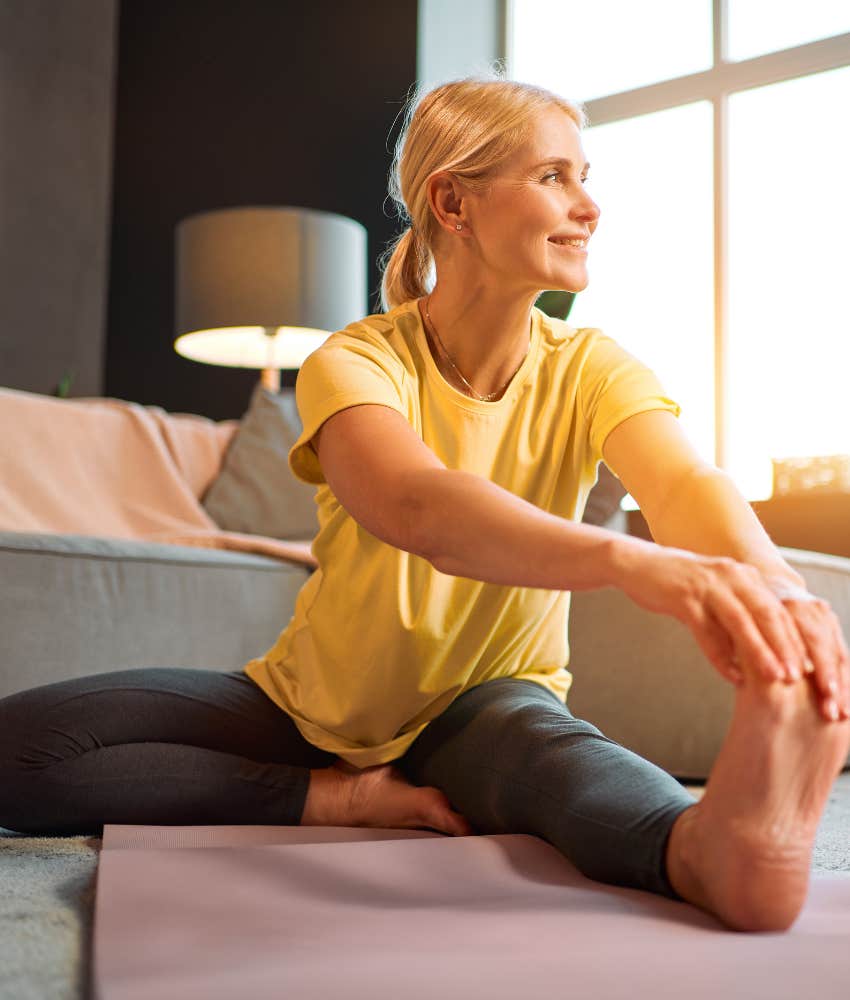 Harbucks via Shutterstock
Are you tired of reading about this one yet? It sounds preachy, but there is a reason why everyone keeps suggesting exercise. It works. It helps. And it makes a difference. Regular exercise increases your endorphins, lowers your heart rate, and increases your stamina — all great anxiety busters.
Regular exercise diverts you from your anxiety and decreases muscle tension, thereby lowering your body’s contribution to feeling anxious. And that's not all. Research has explained how exercise activates the areas of your brain responsible for executive function to get you out of your amygdala! Full disclosure, I was 48 years old when I began to take exercise seriously in my life. There's no age limit to begin.
5: Get to the root of your anxiety
Sometimes, the cause of your anxiety about going to work every day isn’t so much about the work itself, and it's actually more about you. And that's OK. Sometimes, all the anxiety-busting tricks and tips in the world do not help.
In these instances, a more in-depth look at the potential cause is needed. Speak to a trusted confidant at work. If that support isn’t available, work with a coach, trusted advisor, or mental health professional to really drill down and discover where the anxiety is coming from.
The long-term impact on your physical, mental, and spiritual well-being can be both life-changing and permanent, and not always in a good way! Anxiety at work happens to everyone. With support and self-discovery, you may learn that the solution is a simple adjustment if you're willing to look for it. Just know that choosing to do nothing can lead to serious damage to your physical and mental health.
Rachelle Stone is a burnout prevention coach, certified life coach, and the founder of R. Stone Consulting.

