
Kids Who Often Ate Dinner In Front Of The TV Alone Usually Carry 8 Habits Into Adulthood
 Ann in the uk | Shutterstock
 Growing up, we loved to eat in front of the TV. These days, my apartment doesn’t have room for a dining table, so I still eat in front of the TV, and it's a little less fun.
Thankfully, I was often with my parents as a kid, so there’s connection and conversation at dinner, even in front of the TV. Kids who grew up eating dinner alone in front of a TV, instead of sitting around the dinner table as a family, might face challenges that dinner-table
A study found that eating dinner as a family is better for a child’s mental health. While most parents want to provide the best for their children, it’s not always attainable. If someone’s parents worked past dinnertime, they likely had no choice but to cozy up in front of the TV while they ate. This behavior can lead to habits that people who grew up in a different setting might not have.
Kids who ate dinner alone in front of the TV often carry habits like these into adulthood:
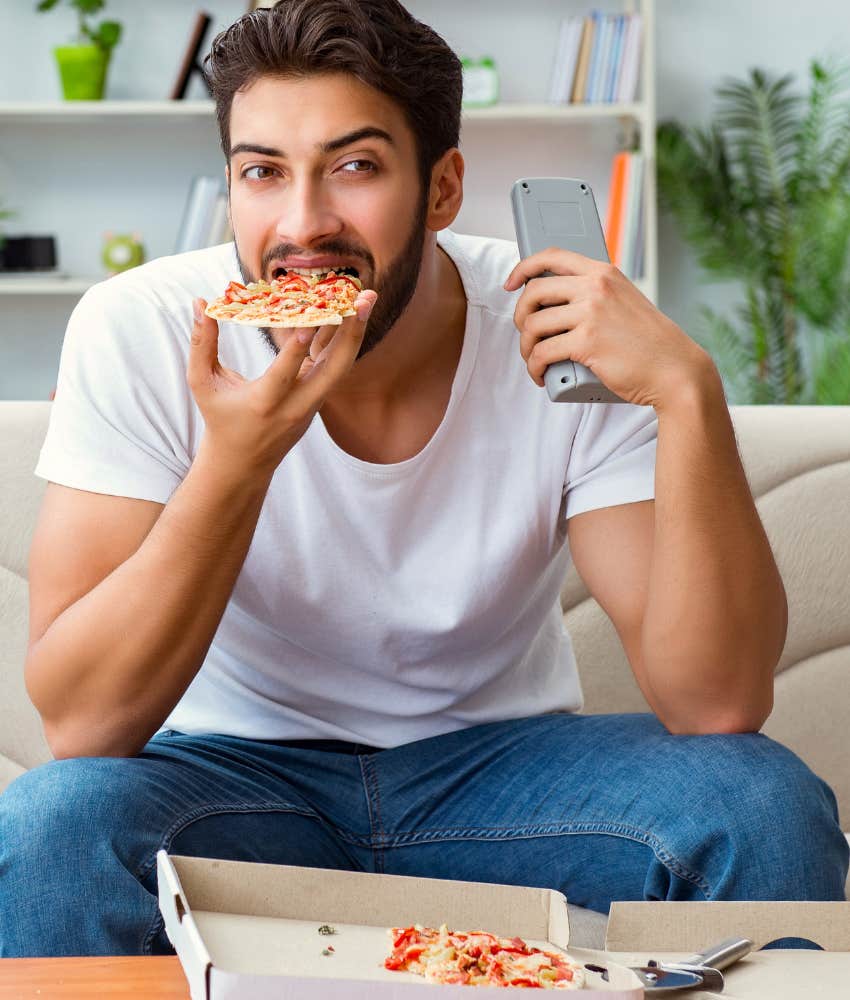
1. Feeling hungry when watching TV
 Anton27 | Shutterstock
When someone is used to watching TV with every meal, they may find themselves tempted to eat whenever they’re relaxing on the couch. This doesn’t mean they prepare a full meal each time the TV is on. Rather, they may grab a snack or feel encouraged to indulge because of their childhood. They may come to associate entertainment with food and feel impulsive.
This is an example of classical conditioning. Food can become associated with the TV, conditioning them to want to eat even when they’re not hungry. It becomes an impulse they may not notice.
2. Relying on screen time
Spending so much time in front of the TV as children can create screen-dependent adults. We all have that one friend who can’t put their phone down no matter what is going on. They eat while scrolling, get easily distracted by technology, and often keep the TV on even if they’re not watching it. This often negatively impacts their social skills. Sometimes, they’d rather communicate virtually than in person.
Younger adults who grew up glued to the TV may transfer that obsession to their phones. Instagram and TikTok can provide the entertainment they’re desperately seeking. You may see them scrolling as they eat, a habit they picked up when they were younger.
3. Fast eating and poor digestion
Scientists believe that when someone doesn’t pay attention to eating, they are more likely to overeat. This doesn’t affect only the current meal but the next as well. When we’re distracted, our brains may not register our eating as efficiently. This can lead to eating too fast and feeling less full no matter how much we eat. The environment we eat in makes a big difference in how we consume food, and it can take a toll on our digestion.
When we eat too fast, we swallow more air than those who eat slowly. This can lead to things like gas, indigestion, and discomfort. We can get caught up in shoveling food into our mouths while in front of the TV, which might make us feel sick.
4. Missing hunger cues
We rely on our bodies to tell us when we are hungry. We all recognize hunger feelings, but when we are glued to the TV and constantly snacking, we might think we are hungry when we’re not. Some people can miss hunger cues entirely. This can stem from being too distracted to notice, or overeating to the point that they never feel hungry.
When we don’t have healthy eating habits, our bodies send mixed signals. Keeping a food journal or checking in with yourself throughout the day can prevent overeating or missing hunger cues. Relying on distractions strips us of our natural understanding of our bodies.
5. Preference for junky and unhealthy foods
 Elnur | Shutterstock
A study found that teenagers who ate in front of the TV picked unhealthy foods more than those who ate at the table with their families. This makes sense. They may have grown up without supervision and had to fend for themselves. When you’re young, cooking isn’t an easy hobby to pick up. Grabbing easy food that simply needed a trip to the microwave was much more convenient.
As they reach adulthood, this habit may stick. We all love junk food, but at a certain point, we have to eat a vegetable or two. Being drawn to unhealthy food can prevent someone from getting proper nutrition.
6. Choosing to eat alone
When we see someone dining alone at a restaurant, our gut reaction is to feel sorry for them. We assume they don’t have any friends or family to join them. Passing judgment like this makes us unaware of how others feel. We never know what someone else is going through.
Not everyone who spends time alone is lonely. If they grew up without connection around dinnertime, eating alone might feel natural to them. Spending so much time in front of the TV as a kid might make some people feel most comfortable eating by themselves. It might be all they knew, and it’s easier to stick to the routine they’re used to.
7. Emotional comfort eating
They call it comfort food for a reason. For some people, a home-cooked meal can feel like a warm hug. When something is wrong, eating is the only thing they can control. Plus, who doesn’t want a nice sweet treat when they’re upset?
Emotional eating can cause more problems than we may realize. It’s not a healthy coping mechanism. It can lead to weight gain and unhealthy habits that can affect us for years to come, a study found. It might feel good at the moment, but it doesn’t fix the lingering pain.
8. Eating out of boredom
We’ve all been guilty of picking up a snack when we're bored. I do this when I’m tired. I think if I eat something, I'll get a much-needed boost of energy. However, it doesn’t work that way for me, at least. Someone who grew up entertaining themselves by eating in front of the TV might keep that habit in adulthood. It might be their only escape.
A study found that when people are bored, they often eat to distract themselves. It gives them something to do rather than sitting around twiddling their thumbs. If someone grew up eating in front of the TV to entertain themselves, the habit might continue in adulthood.
Haley Van Horn is a freelance writer with a master’s degree in Humanities living in Los Angeles. Her focus includes entertainment and lifestyle stories.

