
I Became A Bride At Age 62, And Quickly Learned The Trade-Offs Nobody Talks About When You Marry Later In Life
 Peopleimages.com - YuriArcurs | Canva
Divorce can be devastating. The death of a partner inflicts immeasurable pain. When tragedies sever our most intimate relationships, we may feel emptied, lost, perhaps even ambivalent about carrying on with our lives.
That’s where we were. I was a divorcee whose marriage ended after 33 years. He was a husband who had lost his wife two years before, a widower still deeply in love with his late wife. We met in the midst of our losses. Less than a year later, we married. At age 62, I was a bride.
I am among the relatively few women who marry late in life. According to the U. S. Census Bureau, less than 1% of women over 60 choose to marry. Those who are divorced or widowed and have grown accustomed to being single may feel reluctant to give up their independence, complicate their finances, or risk having to take on caregiving responsibilities for an aging spouse.
But I was convinced that, for me, it was the right thing to do. Scared but excited, and resolved to make the relationship a success, I laid down the independent life I had created after my divorce and took up a new shared life with a person I had known for only a short time.
I recognized that building a good marriage, whether we’re young or old, is hard work that takes time, dedication, and patience. I wanted my new husband to know I was up for the challenge. Determined to succeed at this second try, I told him, “I’m not fooling around here. I’m in this for life.”
Four years later, I am happy to report that I do not regret my decision. Like any newly married couple, my husband and I have faced challenges and unexpected hardships, but we have also experienced the fulfillment that a relationship between two people devoted to each other can reap.
A late-life union is different from a marriage entered into by a young person determined to build a future with someone, as I was when I married the first time. My experience has shown me a few of those differences.
I became a bride at age 62, and learned the trade-offs nobody talks about when you marry later in life:
1. You don’t fall, you step intentionally
 Hector Reyes / Unsplash
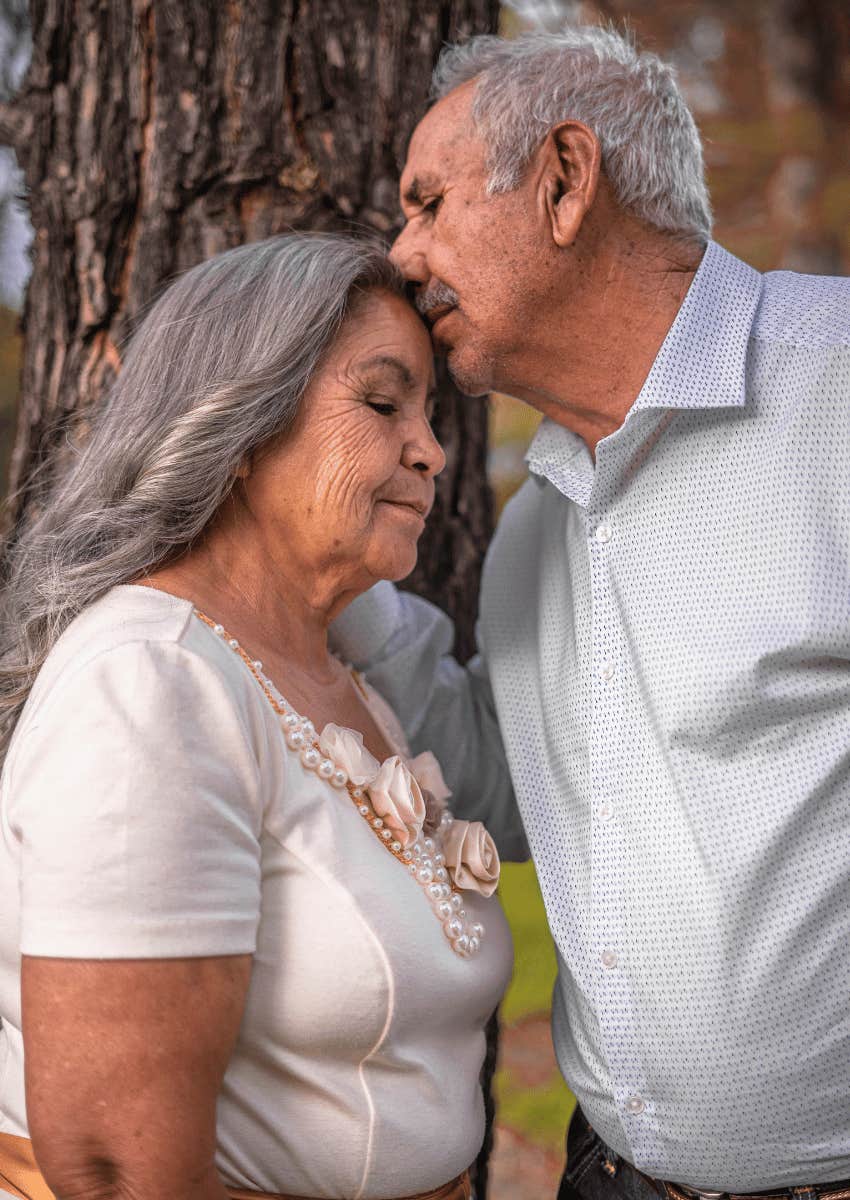
Sure, romance blooms for an older couple. Physical attraction ignites, and intimacy grows. But something is different about the process. Young people looking for a life partner may be led by emotions that seem to control them. They fall in love. They surrender to feelings that lead them toward commitment. They may experience love as a sensation beyond their control. It’s something that happens to them.
For people considering a late-life marriage, the process may be much more intentional. Older people experience the attraction and enjoy the romance, but we make a conscious decision to love one another. Bringing two long, eventful lives together and trying to merge them into a marriage is a daunting prospect. It takes determination. Reliance on emotions alone may not sustain the relationship.
My husband and I were two wounded people who met each other by chance and decided to care for each other. He was shouldering the heaviness of grief over a lost partner. And I was dragging the weighty belief that I had failed in my first marriage. We made a conscious commitment to serve and nurture each other and to help each other heal.
Will a late-life relationship ever be as close as a first marriage embarked upon by two young people with a full life ahead of them? Maybe not. But can marriage between two older people who bring an abundance of life experiences to the relationship succeed? In my experience, yes.
2. When you marry later in life, you get mixed reviews from other people
When two older people decide to get married, people may be supportive and wish the couple well. Some may recognize the courage and fortitude it takes to build a fulfilling life together and applaud the couple’s effort.
Some may express their good wishes for their future. But, in my experience, no one is overly happy about the union. Children and grandchildren of the couple may be ambivalent about the marriage. Former in-laws may offer stiff smiles and half-hearted promises to maintain contact.
Friends may express their reservations about the wisdom of trying to merge families and finances so late in the game. The marriage may be viewed as an act of rebellion against what was, for others, a comfortable status quo. And, so it is.
People who embark on a late-life marriage do so, to some extent, on their own. They must accept the overall lack of enthusiasm displayed by family and friends, and accept the isolation that comes when others shy away from a new, uncomfortable situation. That isolation, though, may draw the couple closer.
3. You get to keep being you
 Daria Trofimova / Unsplash
When I married for the first time, I was 19 years old. My husband and I had been high school friends who couldn’t have known each other better if we had grown up as brother and sister. I took his surname, tried my best to be part of his family, and became, to the people around us, a subset of him. I was financially dependent on him, and I was charged with helping to build his career. My identity, if I had one, was defined by his identity.
After my divorce, I faced life alone. I built my own career and maintained a home by myself. I was determined not to depend on anyone for help or support. And, I’m proud to say, I did it. I learned to like being independent and making my own decisions.
Committing to a late-life marriage has not required me to give up the individual identity I built during my time alone. I can be a partner and reap all the rewards of a partnership, while still existing as an individual.
My husband and I can have separate interests that don’t interfere with our commitment to a shared life. One of the best things about my late-life marriage is that I get to keep being myself. I don’t have to give up any part of my identity to be part of a couple.
I can understand why so few women in their 60s decide to marry. I can think of many good reasons not to do it. And, I have learned that marrying later in life will never be like marrying for the first time in one’s youth. It’s a whole different experience. Different, yes. But, at least for me, well worth it.
Dr. Georgia Kreiger, PhD, is a memoirist, poet, and editor. Her articles appear frequently on Medium and in her Substack publication Dare to Tell.

