
People Who Always Feel Like A Burden Usually Learned 6 Lessons As Kids
 melissamn | Shutterstock
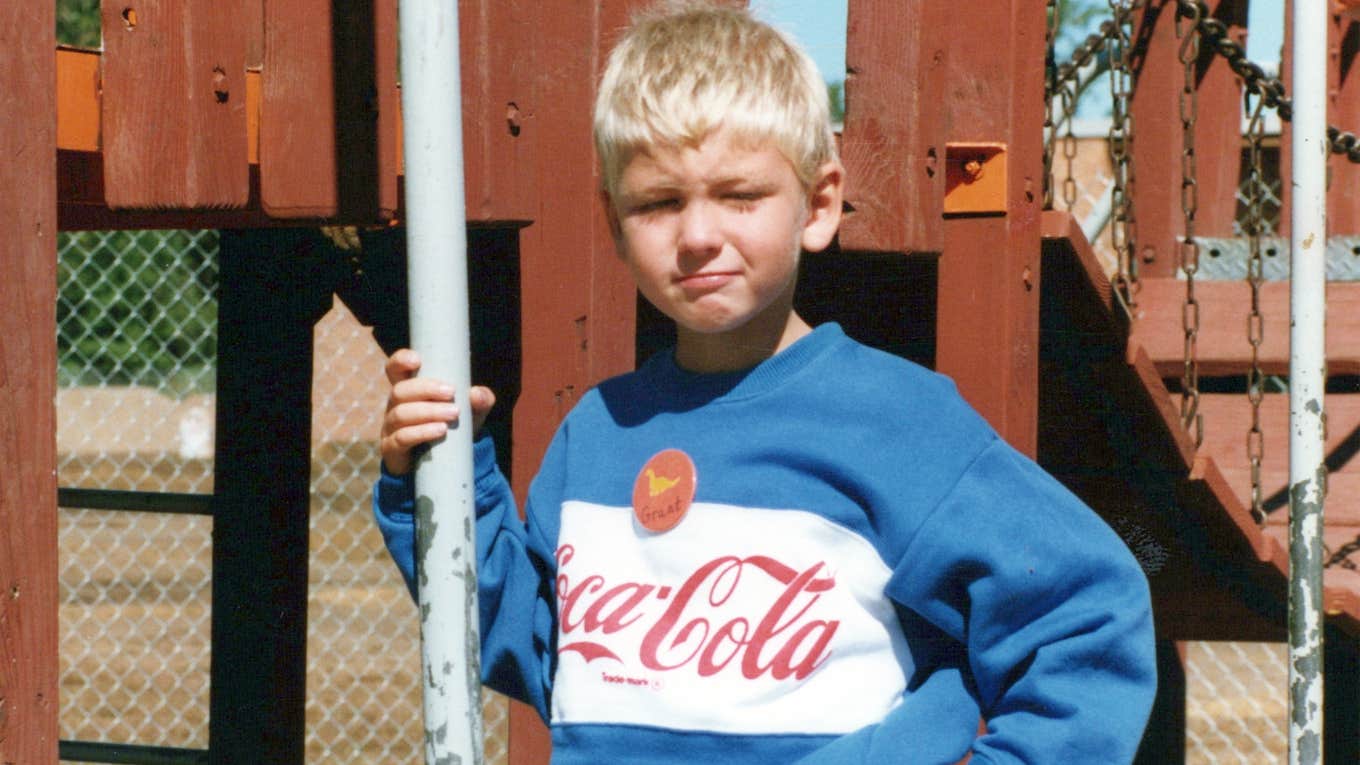
Some people hesitate to reach out when they're struggling and worry that they're inconveniencing everyone around them, which downplays their own needs. Adults who seem to wear the feeling of burden as a yoke often learned it in childhood.
Psychologists have long recognized that our early relationships shape how we view ourselves and what we expect from others. When children repeatedly receive certain direct and indirect messages, they can carry those beliefs well into adulthood.
People taught these unhealthy childhood lessons always feel like a burden to others:
1. Kids' needs come second to everyone else's
 cottonbro studio | Pexels
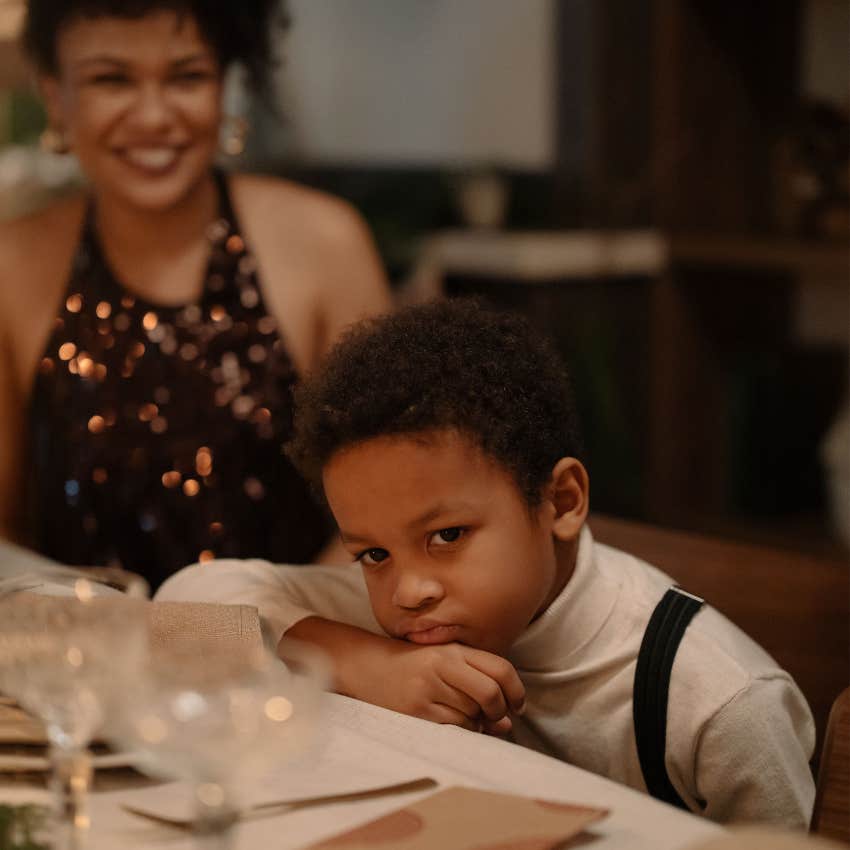
Some children grow up in families where their emotional needs are consistently pushed aside. This can happen when a parent is overwhelmed with adult life, or a family member requires more attention. Over time, the child learns that asking for help creates problems rather than solves them.
At first, it's a way of adapting to their environment, but eventually, it becomes second nature. As adults, they can become exceptionally independent, but not because they want to do everything alone, but because they learned that relying on others wasn't a safe option.
The difficult part is that what once helped them cope can later make healthy relationships feel uncomfortable. Even when caring, trustworthy people offer support, they may instinctively decline because accepting help feels unfamiliar. Learning that your needs matter too takes time, but it's one of the healthiest lessons a person can relearn.
2. Only kids who don't cause problems get praise
Being called the easy child or the one we never had to worry about can sound like a compliment. Some kids begin to believe their value comes from staying quiet and handling everything themselves, so they never create extra work for anyone else.
When adults praise children only for being low-maintenance, those children can interpret it as their own needs being inconvenient. Instead of asking for help, they learn to keep everything inside. As they grow older, they may continue avoiding conflict and hiding difficult emotions so that they don't disappoint the people they care about.
The people who seem like they have it all together are usually carrying far more than anyone realizes. They become so good at appearing okay that others may never realize they're struggling unless they finally speak up.
3. Emotions make other people uncomfortable
 MAYA LAB | Shutterstock
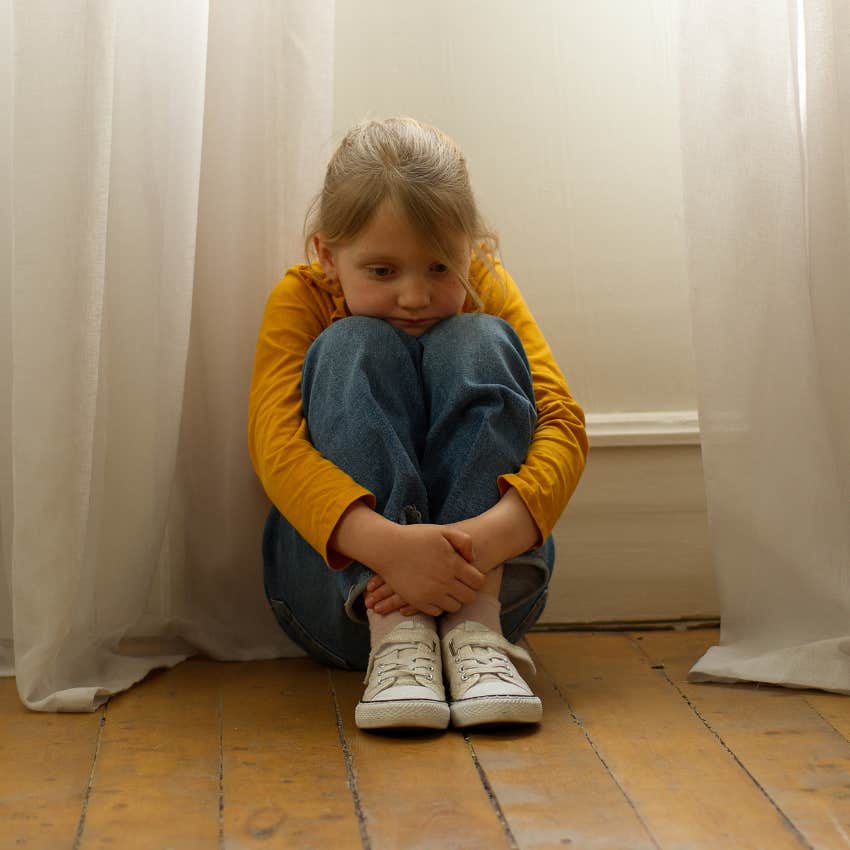
Not everyone knows how to respond to sadness or frustration. Some kids are told to stop crying or to get over it before they've had a chance to process what they're feeling. This can make them feel that expressing emotions leads to withdrawal or criticism from the adults around them.
After enough experiences like that, many children decide it's simply easier to keep everything to themselves. They stop sharing not because the feelings disappear, but because they don't feel safe expressing them. Eventually, they learn to keep their feelings to themselves. As adults, they may struggle to open up because they assume their emotions will only make life harder for everyone else.
Many of them even apologize before talking about something that's bothering them. They worry they're being too much because they see themselves as dramatic or too emotional, even when they're expressing completely normal human feelings. In healthy relationships, though, emotions are vital for bonding and connection.
4. Helping your parents is more important than what you want
Some kids comfort parents, help raise younger siblings, manage household responsibilities, or learn to ignore their own needs because everyone else seems to need them more. People sometimes say these kids are mature for their age, and in many ways they are. They become responsible and dependable, but that maturity comes at the cost of simply being a child.
When children spend years caring for others, they can become adults who feel guilty whenever they're the ones needing support. Receiving help can feel unfamiliar, or even undeserved. They may be the first person to help everyone else but the last person to admit they're overwhelmed themselves. Over time, constantly carrying everything alone can become exhausting.
5. Mistakes are unacceptable
Every child makes mistakes, but when mistakes are consistently met with harsh criticism or disappointment, kids may start to believe they're constantly creating problems for the people around them. Instead of seeing mistakes as opportunities to learn, they begin seeing them as evidence that something is wrong with them. Even small slip-ups can start to feel much bigger than they really are.
As adults, they become highly sensitive to the possibility that they've done something wrong even when no one else sees it that way. They may replay conversations in their mind for hours, wondering if they said the wrong thing or accidentally upset someone. That constant self-monitoring can be exhausting. The reality is that everyone makes mistakes, and healthy relationships have room for imperfection, especially when you're a kid new to this world.
6. Love and attention are rewards for good behavior
 Tima Miroshnichenko / Pexels
Kids thrive when they believe they're valued simply for being who they are. If affection or approval depended on good behavior or high achievement, they may grow up believing they have to earn their place in every relationship.
They may become people-pleasers without even realizing it. They work hard to avoid disappointing anyone because somewhere deep down, they worry that making mistakes could cost them love or acceptance. That belief can make it surprisingly difficult to accept kindness. Instead of assuming they're worthy of care, they worry they're asking for more than they've earned.
Compliments may feel uncomfortable, and acts of kindness may leave them wondering what someone expects in return. They feel more comfortable giving than receiving because giving feels familiar, while receiving feels vulnerable.
The encouraging news is that with healthier relationships and self-compassion, people can gradually learn that taking up space and leaning on others are all normal parts of being human.
MeShanda Deason is a writer with a BFA in Creative Writing from Stephen F. Austin State University and minors in Business Communication and Literature who covers storytelling, culture, identity, and human connection across editorial, journalism, and marketing spaces.

