
Parents Who Hover Too Much Usually Raise Kids Who Struggle With These 5 Things Later On
 Joel Timothy | Unsplash
Throughout time, parenting styles have been affected by cultural attitudes, social expectations, and political trends. The current state of American parenting isn’t immune to those influences.
The prevalence of social media and the window it provides into other people’s family lives has played a huge role in how parents see themselves and how they see other parents. "Helicopter parenting" is by no means a new term. As our outer world grows more unstable, it seems that overparenting has become the norm, one that isn’t actually benefiting kids’ development.
According to clinical psychologist Dr. Samantha Rodman Whiten, overparenting leaves "kids feeling fragile, dependent on adults to meet even their most fleeting needs, and the parental instinct to shield kids from everything bad in the world is the exact thing enforcing the fragility parents are trying to prevent."
Parents who hover too much usually raise kids who struggle with these 5 things later on:
1. They struggle to problem-solve or resolve conflict
Mariana Brussoni, a developmental psychologist and director of the Human Early Learning Partnership, explained to The Atlantic that when parents hover, kids aren’t able to establish important skills that they’ll need later in life.
Overprotected kids don’t learn how to solve problems or resolve conflicts on their own. Yet when they’re given space to do so, kids blossom. Brussoni also noted that being put in a position where they have to figure things out independently helps kids develop their executive function.
2. They struggle to connect with others
 Getty Images / Unsplash+
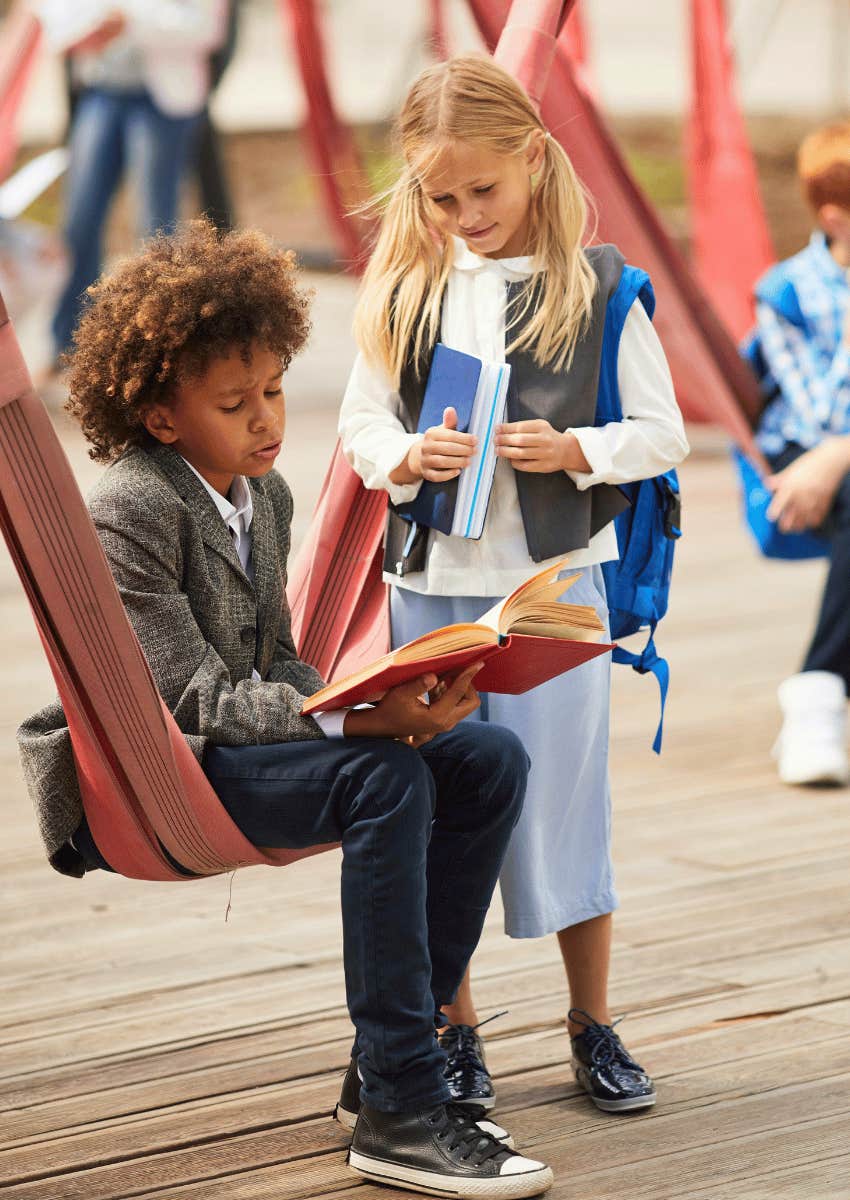
When kids are left on their own to make connections with other kids, they’re doing more than making friends to play with. They’re tending to an essential part of being a fully realized person: growing their emotional intelligence.
All too often, a parent’s instinct is to swoop in when things get difficult for their kids, which is an entirely normal instinct. Parents want to protect their children from harm. Yet providing space for them to work certain things out on their own is hugely valuable because it teaches kids to trust themselves.
3. They struggle to bounce back from setbacks
Simple solo acts, like walking the dog around the block, show kids that they can navigate new challenges. Conquering a task they’ve never done before teaches them that they’re strong and capable.
"Confident kids are raised by parents whose role is not just to protect their children from the world, but to help them navigate it," psychologist Dr. Lisa Kaplin explained. "Small wins are how their navigation muscles get stretched and become stronger."
4. They struggle with managing their anxiety
 Getty Images / Unsplash+
Kids aren’t immune to mental health struggles, by any means. It makes sense that kids who were raised by hovering parents grapple with issues like separation anxiety and fear of new things. The unknown is scary, and kids are constantly learning how to exist as part of a larger world they haven’t fully experienced yet.
But shielding kids from the hard parts of life does them a disservice, keeping them stuck in their anxiety instead of showing them that they can tackle it. Psychologist Dr. Sharon Saline cautions parents against this instinct to constantly soothe their kids' worries. "Even though anxiety loves reassurance because it offers short-term relief from discomfort, telling kids that everything will be okay or not to worry only increases long-term anxiety," she explained.
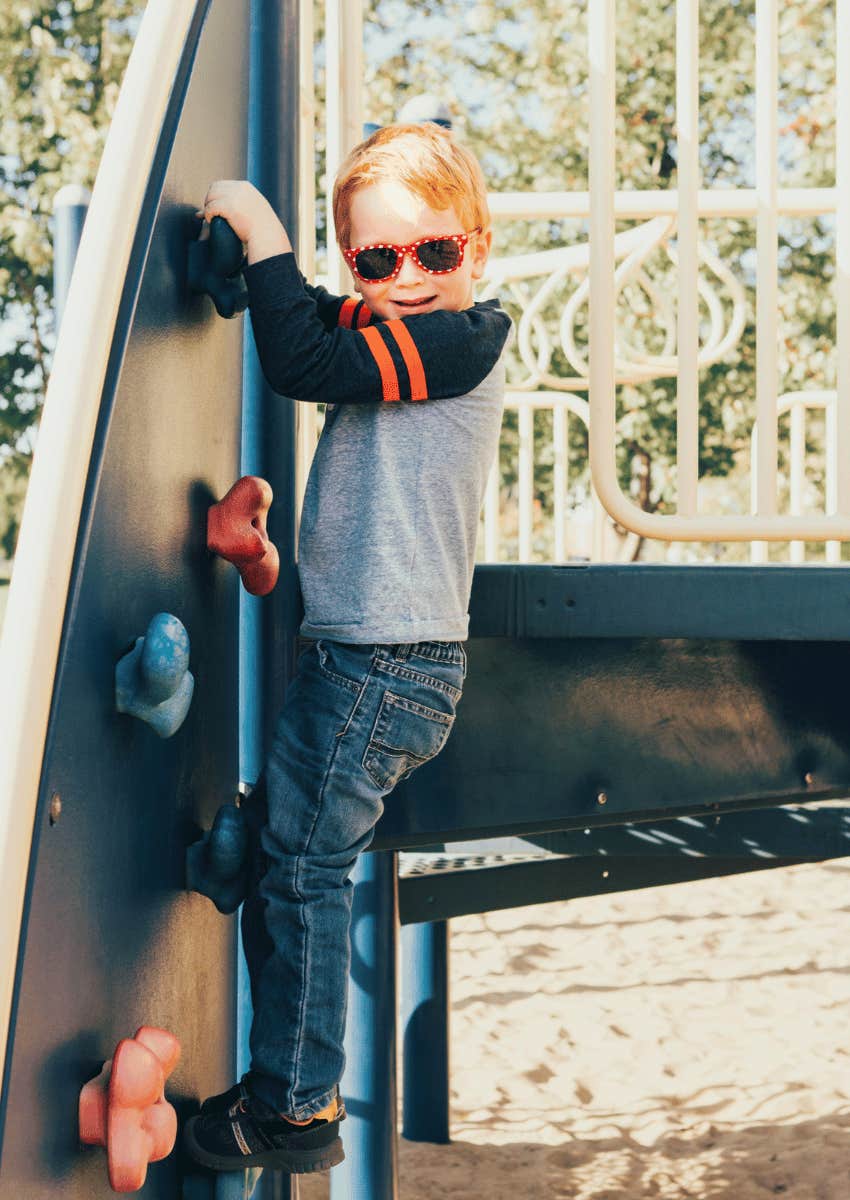
2021 research shows that taking part in adventurous play reduces childhood anxiety. Activities like climbing trees, riding bikes down hills, or jumping off the diving board at the pool are all beneficial for kids because of their inherent risk factors. During this particular kind of play, kids experience heightened excitement and elevated adrenaline levels.
The study also maintains that adventurous play helps contain kids’ anxiety, as it lets kids see that they can do things even when they’re scared, decreasing their intolerance of uncertainty.
5. They struggle with processing their emotions
Doing new, hard things opens up an array of emotions, both positive and negative. Maybe your kid tried something that didn’t go as planned, and the subsequent disappointment they feel weighs heavily on both them and you.
Marriage and family therapist Lianne Avila explains that the effects of stress and anxiety on children can be damaging, which is why the skills parents teach their kids about emotions in childhood are vital to their ability to thrive.
In letting them feel all their feelings, you end up teaching your kid a hugely valuable lesson: We all feel things deeply, and it’s okay to sit with those feelings. Cultural expectations, especially around hyper-focused parenting styles, won’t change quickly.
In a world of hypervigilance, parents aren’t wrong to fear the litany of negative repercussions they might experience from giving their kids more independence. Their kids might feel discomfort; other parents might judge their choices.
There’s no clear-cut, easy answer to counter a generational reliance on over-involved parenting, which could be seen as a direct response to the more free-range parenting styles of the past. Kids deserve a chance to make their own way in the world, no matter how scary that seems.
Alexandra Blogier is a writer on YourTango's news and entertainment team. She covers parenting, pop culture, and all things to do with the entertainment industry.

