
11 Quiet Habits Kids Often Pick Up From Being Raised In A House Full Of Stress
 MAYA LAB / Shutterstock
We may not realize how much our childhood defines us as adults. We may think we can push down bad memories and move forward, but there is a lasting impact. Of course, with work, we can process them, but there may always be side effects of what we endured during our youth.
Growing up in a stressful environment can take its toll on someone. Whether you were raised in a home with constant arguments and tension, or a family where you were left to fend for yourself, this history becomes part of your story. Children can be at risk of absorbing this stress. You may not notice, but habits can form because of this behavior. If you’re always looking to please people or stifling your emotions for the sake of other people, these may be signs that you grew up in a stressful home.
Here are 11 quiet habits kids often pick up from being raised in a house full of stress
1. They are always looking over their shoulder
 Imagesbybarbara from Getty Images Signature via Canva
Someone who grew up in a home full of stress likely felt like they always had to look over their shoulder. In tense environments, it can be hard to feel safe. Whether it was constant arguments or unsafe conditions, kids can be deeply impacted by the stress they endure. In fact, they may be more at risk of developing trauma from stress than adults. Even when they’re in a healthy environment, their past may have them on edge. It can be hard to escape this mindset.
It may become a habit that they don’t realize they are doing. After so long of looking over their shoulder, feeling like they had to be hyper-vigilant in their own homes, they may not be able to shake the behavior. As kids, it brought them stress; as adults, it impacts their relationships.
2. They apologize constantly
 Juanmonino from Getty Images Signature via Canva
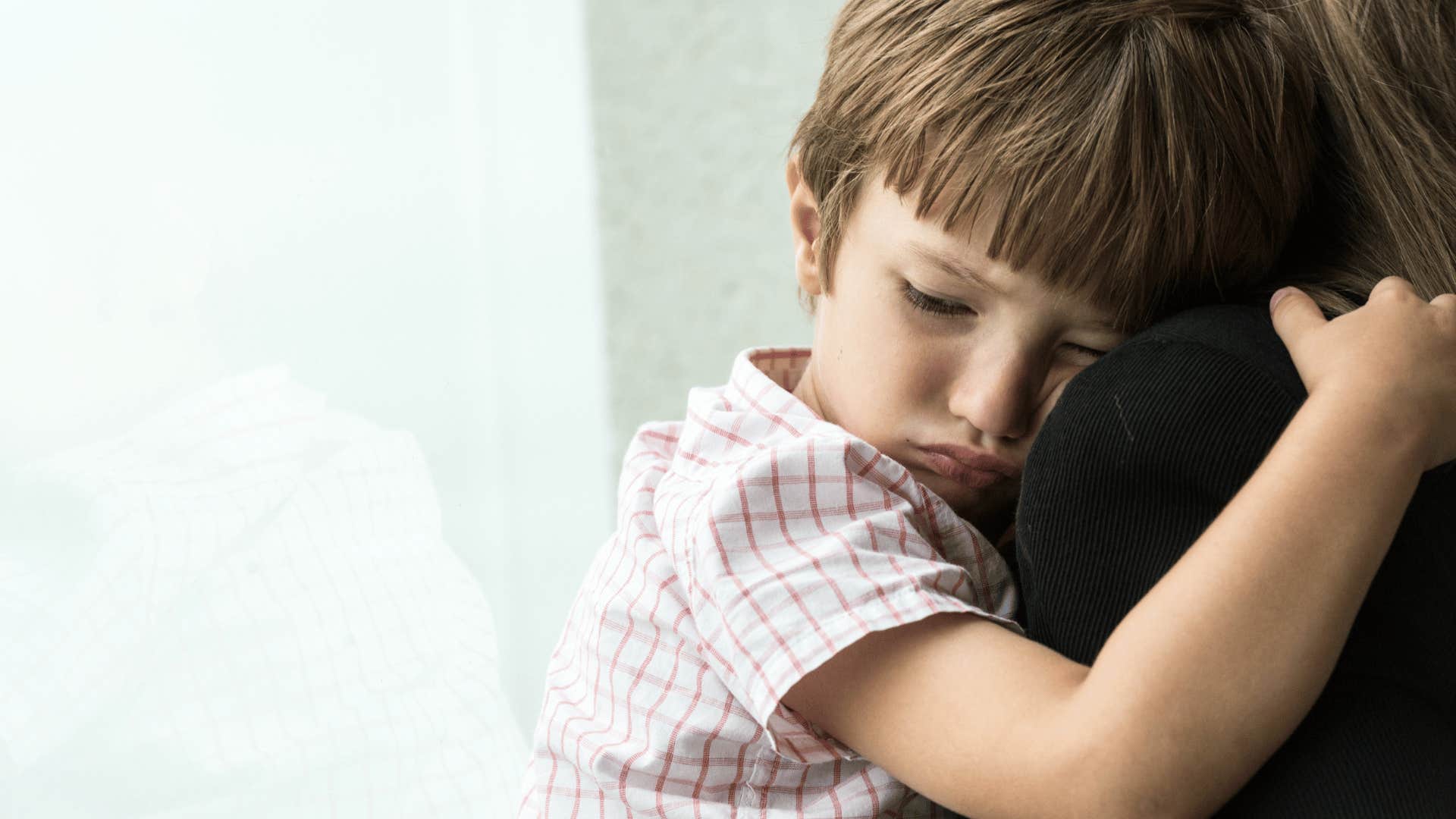
Have you ever met a child who constantly said they were sorry? It didn’t matter how small the ‘mistake’ they thought they made was; they were always apologizing. It could be a sign that they lived in a stressful home. This behavior may follow them into adulthood. They felt responsible for other people’s feelings, even if they weren’t.
The sad truth behind someone who always apologizes is that they never felt good enough. Likely, they took on the blame for the stress in the household. In adulthood, this habit may stick. They could feel like they needed to take responsibility for everyone's feelings, which isn’t healthy.
3. They avoid conflict at all costs
 cottonbro studio from Pexels via Canva
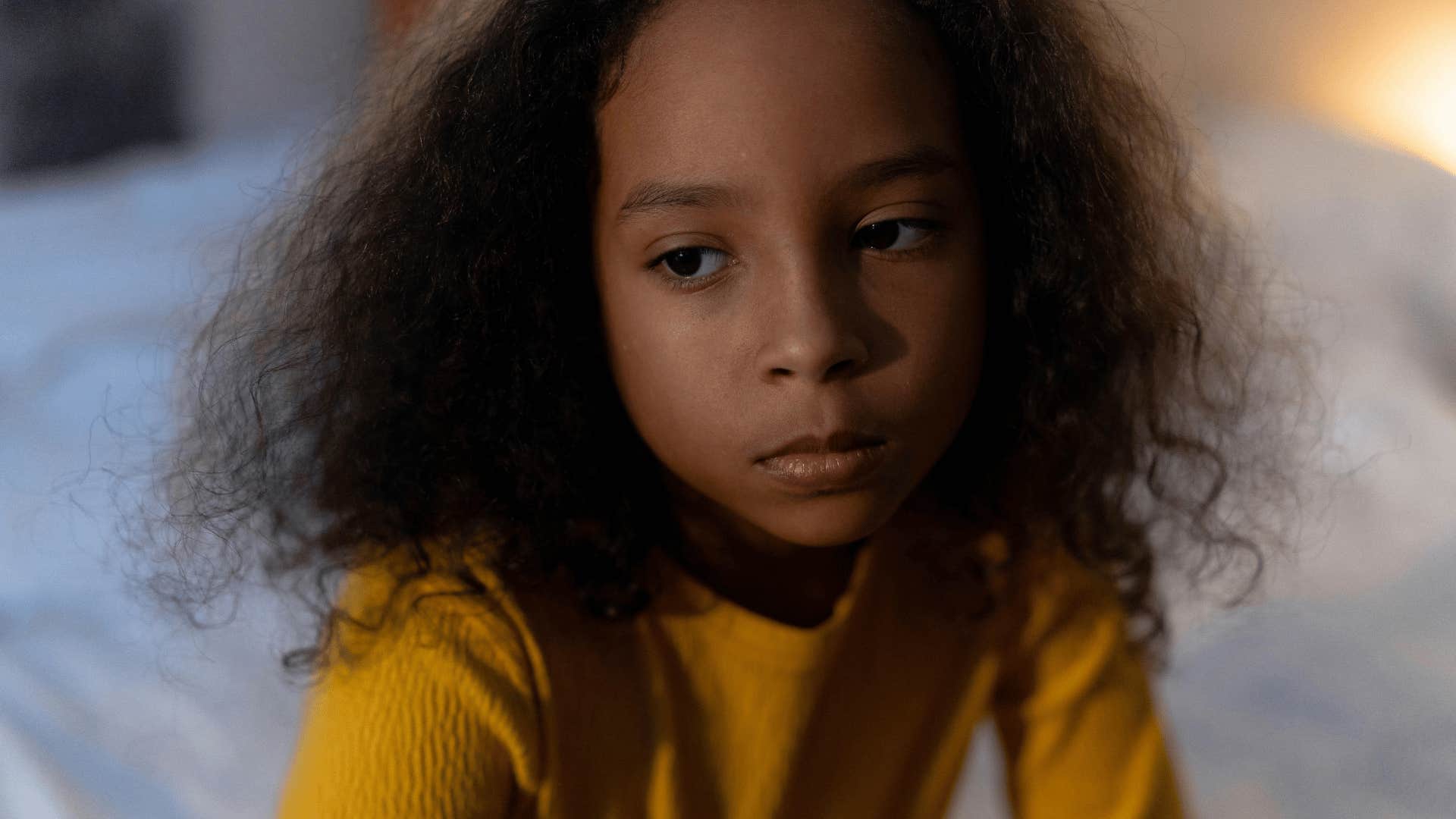
If someone grew up in a stressful environment, they may have been exposed to fights and arguments. Living in a tense situation may have led them to fear conflict altogether. Hearing parents fighting can be traumatizing. Into adulthood, they may try to avoid conflict at all costs because of this trauma. The arguing and loud environment may take them back to how they felt in their childhood home.
While they may find safety in avoiding conflict, they may be hurting their self-worth. To move past difficult situations, we need to have productive conversations. Conflict management skills take work, and if someone refuses to work through arguments when they pop up, they may be settling for less than they deserve.
4. They are hyper-aware of body language
 charliepix from charliepix via Canva
When you’re a child, it can be hard to read body language. If you grew up in a high-stress environment, you may learn it quickly. Their caregivers likely acted out their pent-up emotions. While this could look different for everyone, all children in these circumstances learned what to look out for. As they get older, they may continue to read into others' body language. It might be a helpful tool for them to understand them.
Body language tells us a lot about other people. When a child learns the importance of it, they may pick up the quiet habit of reading others. It could have been a defense mechanism in childhood that stuck with them.
5. They keep their guard up
 Dimedrol68 from Getty Images Pro via Canva
Letting people in can cause pain. Children who were raised in a house full of stress are likely to struggle to open up to others. Sometimes, their caregivers may have instilled a fear of others in them. Maybe they told them that if they shared what was going on, they would be taken away. Whatever the reason, stressful environments may leave children with the quiet habit of keeping their guard up. They weren’t willing to talk to anyone about what was going on at home.
As adults, this habit may remain. It can be hard to be vulnerable with people when you grew up in an unsafe environment. This behavior may be all they know.
6. They suppress their emotions
 nd3000 from Getty Images via Canva
In a stressful home, there may not have been space for a child to share their emotions. There may have been discipline Involved in showing too much emotion. It likely wasn’t a safe space to share how they feel. From early on, they learned to keep their feelings close to them. It may have been a defense mechanism to bury those feelings deep, safely away from other people in their lives.
In adulthood, it’s not surprising someone may keep this habit. If they were never able to express their emotions, opening up to others may feel impossible. Suppressing their emotions might be all they know.
7. They are too independent
 Imagesbybarbara from Getty Images Signature via Canva
If you grew up in a stressful home, you probably experienced a lack of care. Whether your parents were at odds with each other or they worked endless hours to pay the bills, you may have been left on your own often. Kids who grow up in environments like this may feel like the only person they can count on is themselves. It can be hard for them to rely on others because the behavior was never modeled for them in childhood. Instead, they have made a habit of being independent. Without thinking, they may be self-reliant.
Letting other people in when you grew up in a home that’s full of stress isn’t easy. When you’re used to being your only support system, accepting help from others can be terrifying. Kids who were raised in homes like this may become hyper-independent throughout their lives.
8. They struggle with trust issues
 portishead1 from Getty Images Signature via Canva
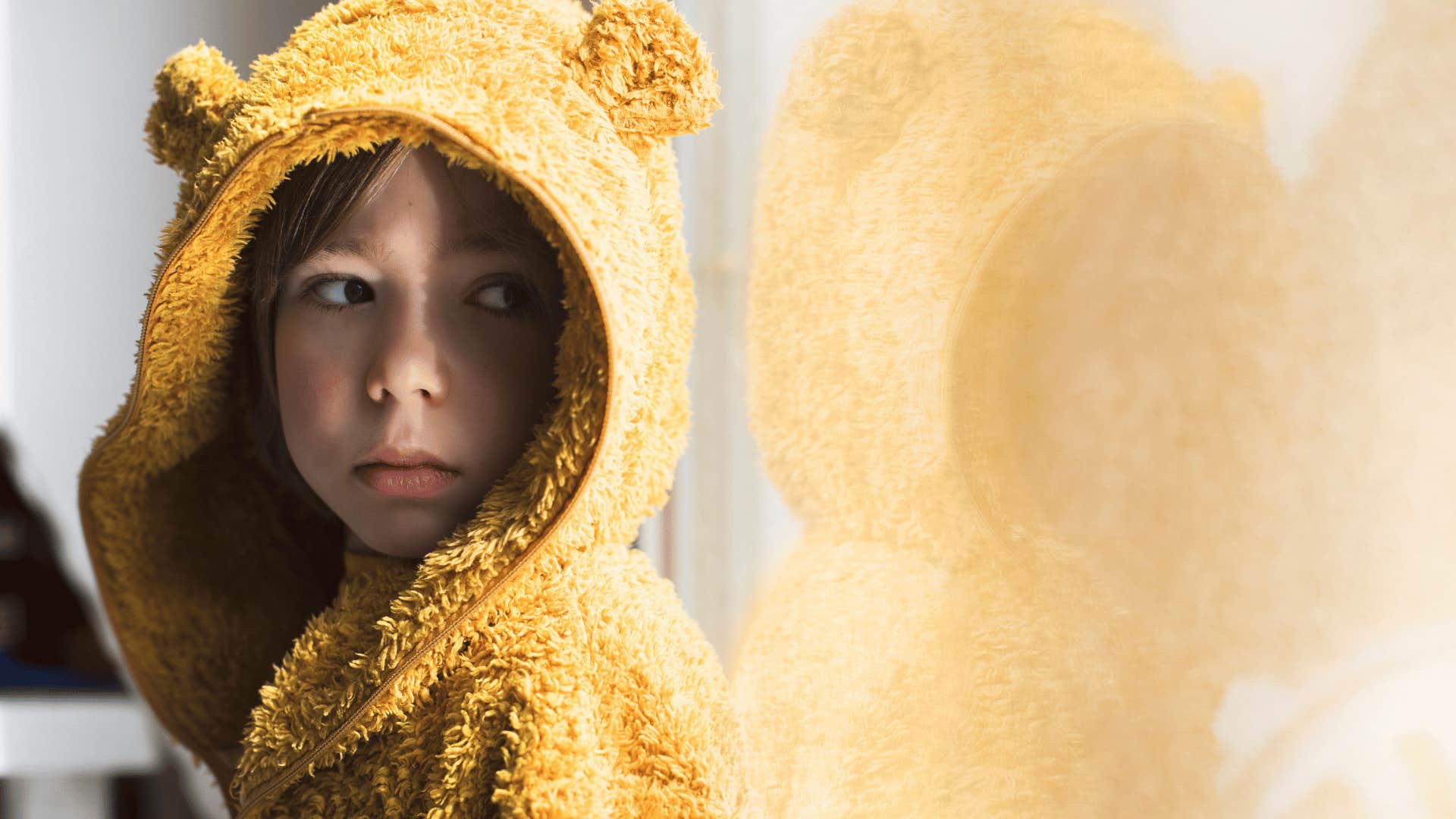
With hyper-independence may come trust issues. When you’re used to relying on yourself, it’s difficult to let other people in. Sharing your deepest secrets with someone else can feel impossible. This is especially relevant if you were taught to keep to yourself. Children can develop trust issues early in their lives. Often, these issues can be tied to childhood trauma.
“When we are little, we depend entirely on our caregivers to provide safety and comfort. We rely on them to reflect our emotional states back at us so that we learn what is good, what is bad, what is appropriate, and what is inappropriate. Problems arise when our caregivers are unable or unwilling to do these things. We become unable to trust that we will be okay if we explore the world because our caregivers did not accurately reflect, comfort, or sustain us,” says Darius Cikanavicius.
9. They have a hard time in social situations
 via Ivan S from Pexels
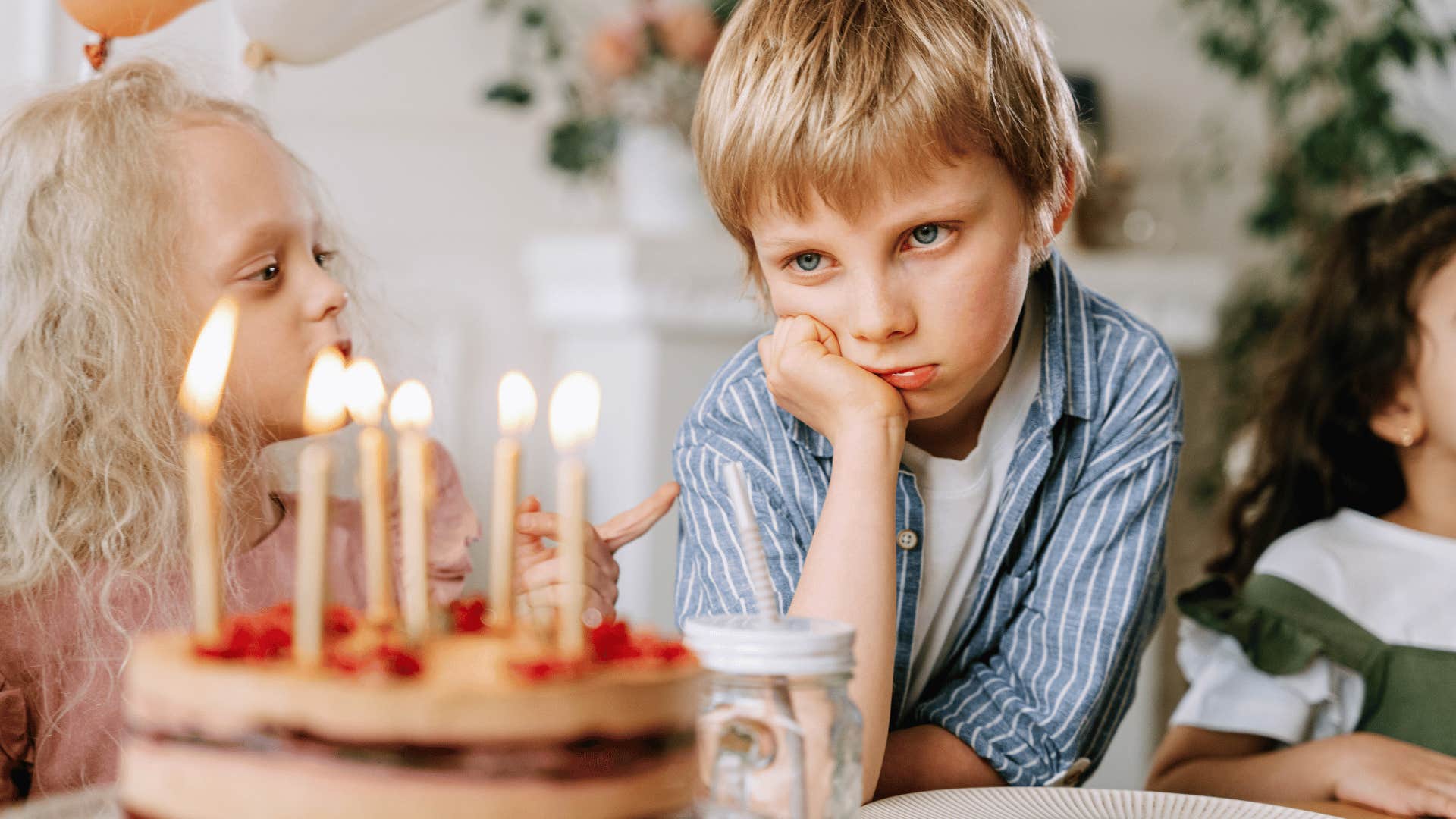
People learn social skills by watching others interact. When we are young, we pick up many of our skills by observing our caregivers. Growing up in a stressful environment can impact how we socialize. If our parents interact poorly with one another, it may become a habit we pick up through what we observed in childhood. If they encouraged us to keep our thoughts and feelings to ourselves, it can be even more complicated to form healthy bonds in adulthood.
You likely had a shy kid in your class growing up. They may have kept to themselves, rarely interacting with their classmates. We never know what someone is going through. They may have struggled with social skills because of the home they grew up in. It can be hard to break this habit and learn to socialize in a healthy way.
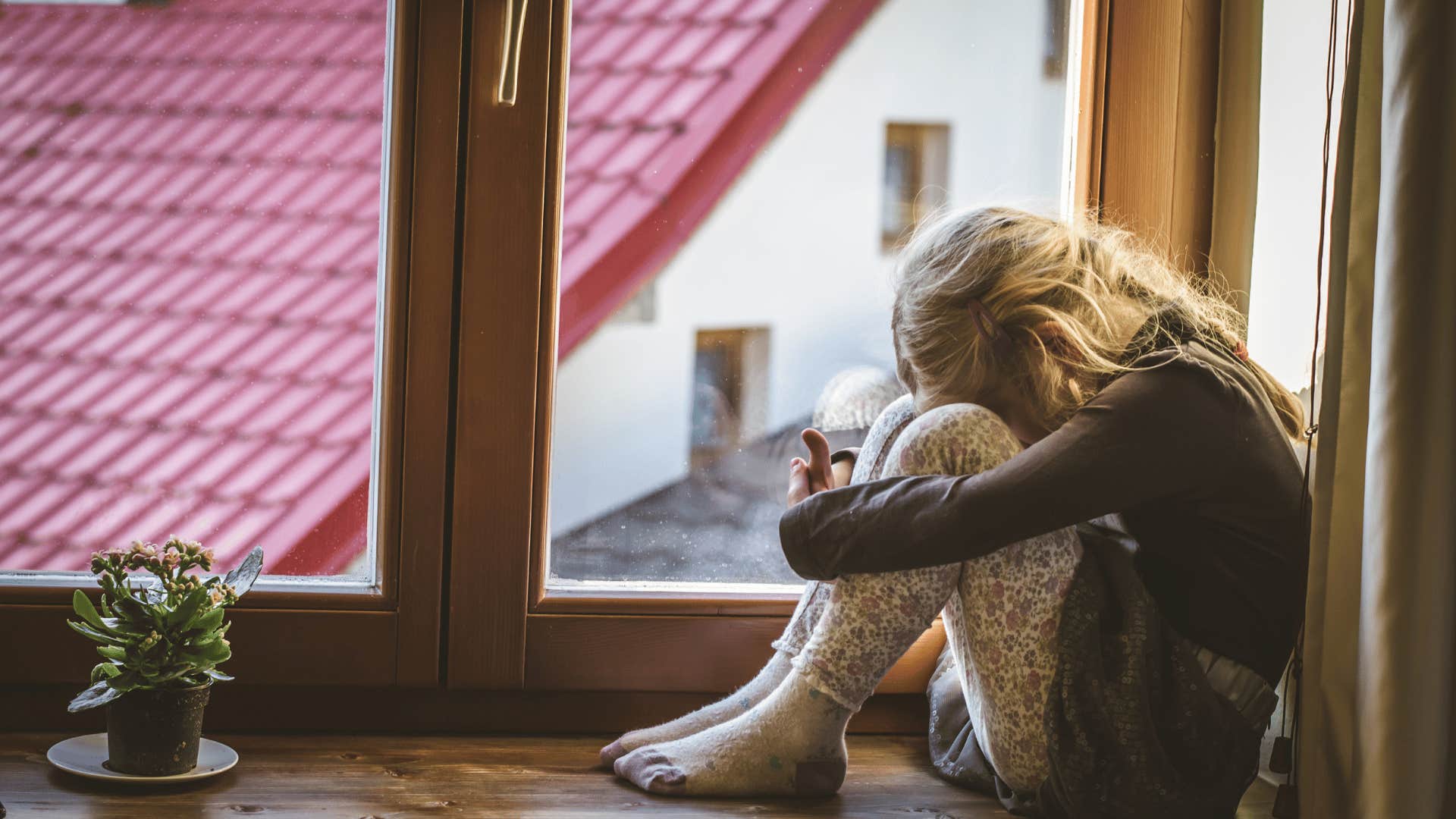
10. They feel they need to be perfect
 KatarinaGondova from Getty Images via Canva
In a stressful home, praise may have been few and far between. To get positive attention, a child may have had to be successful. They may have been congratulated for a good grade on a test or celebrated for being accepted into college. Now, they may be perfectionists. If someone is in the habit of trying their hardest to be perfect at all costs, they can hurt themselves more than they realize.
While there are strengths to striving for perfection, learning this habit in childhood can be damaging to their self-esteem. They may feel like they will never be good enough. Even if they do succeed, they may never be fully proud of themselves. They may be overly critical of themselves, which they may have learned from their parents.
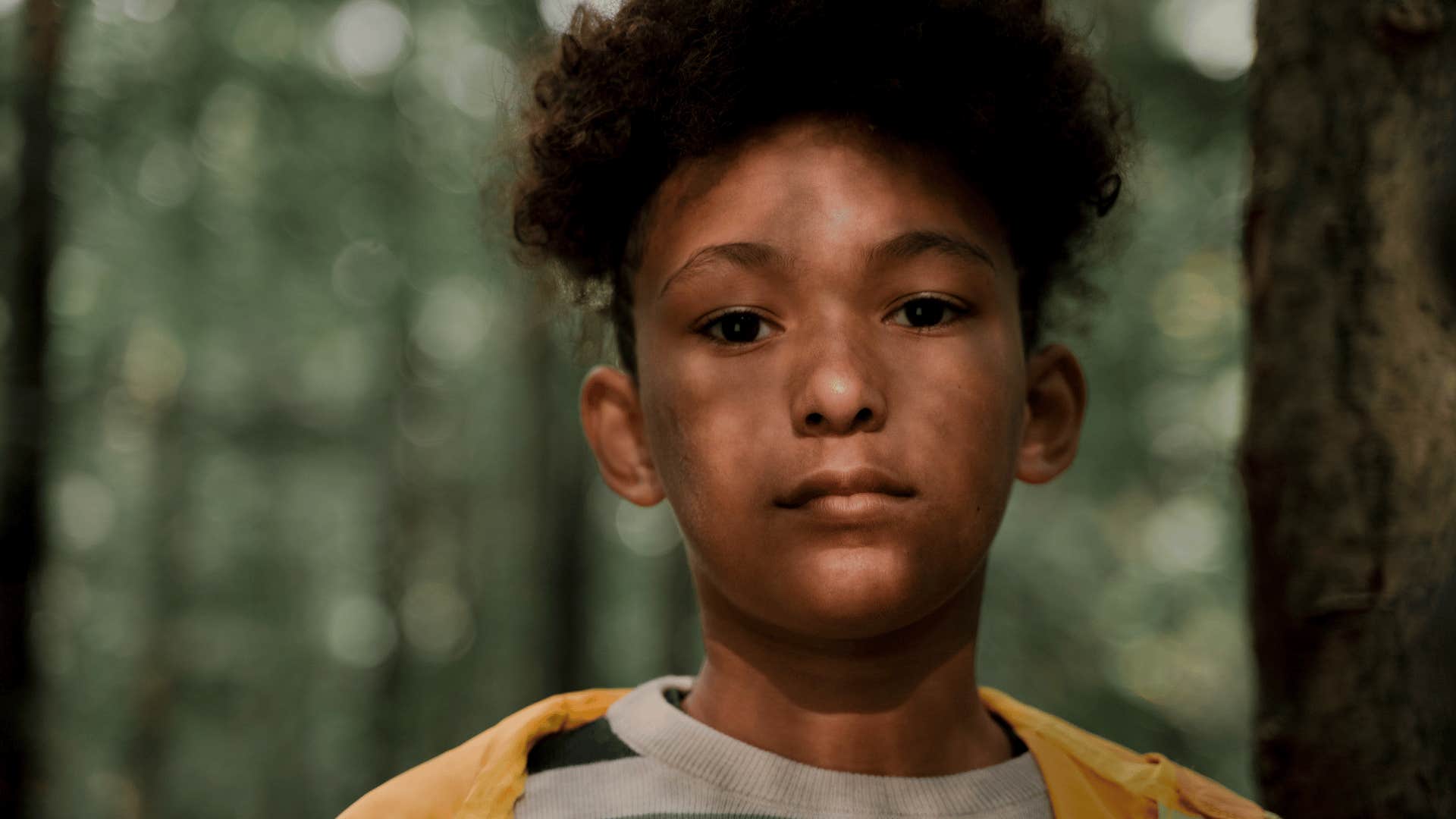
11. They are uptight
 Ron Lach from Pexels via Canva
Stressful homes aren’t known for their calming environment. Growing up in a tense household can make relaxation feel impossible. As a child, they may have taken on the quiet habit of keeping to themselves. It’s difficult to relax and unwind when the world around them feels too difficult. From their early years into their adult ones, they may be wound up tightly.
A stressful environment doesn’t only make them uptight, but it can also put them at risk of health issues.
“Research has shown that the experience of trauma not only influences our thinking and behavioral patterns, but also our biology,” says Thomas O’Connor of the University of Rochester Medical Center. “Trauma influences our stress response system and may be associated with compromised immunity and poor cardiovascular health.”
Haley Van Horn is a freelance writer with a master’s degree in Humanities, living in Los Angeles. Her focus includes entertainment and lifestyle stories.

